Many people are familiar with it: while brushing their teeth or using dental floss, a little blood suddenly appears. In many cases, this is dismissed as “normal.” In fact, however, bleeding gums are usually a warning sign—and not a condition that should be tolerated indefinitely.
Overview of the Most Common Causes
Most frequently, gingivitis (gum inflammation) is the cause. This occurs when bacteria and plaque accumulate at the gum line. If cleaning is not thorough enough, the gums react with redness, swelling, and bleeding. Stress, hormonal changes, smoking, or a weakened immune system can also exacerbate the symptoms.
Are Bleeding Gums Always a Sign of Periodontitis?
Not necessarily—but it can be an early symptom. Untreated gingivitis can develop into periodontitis, which attacks the periodontium (the structures supporting the teeth). In the long term, this leads to loosened teeth or even tooth loss. Regular check-ups help to stop this process in time.
What You Can Do Yourself
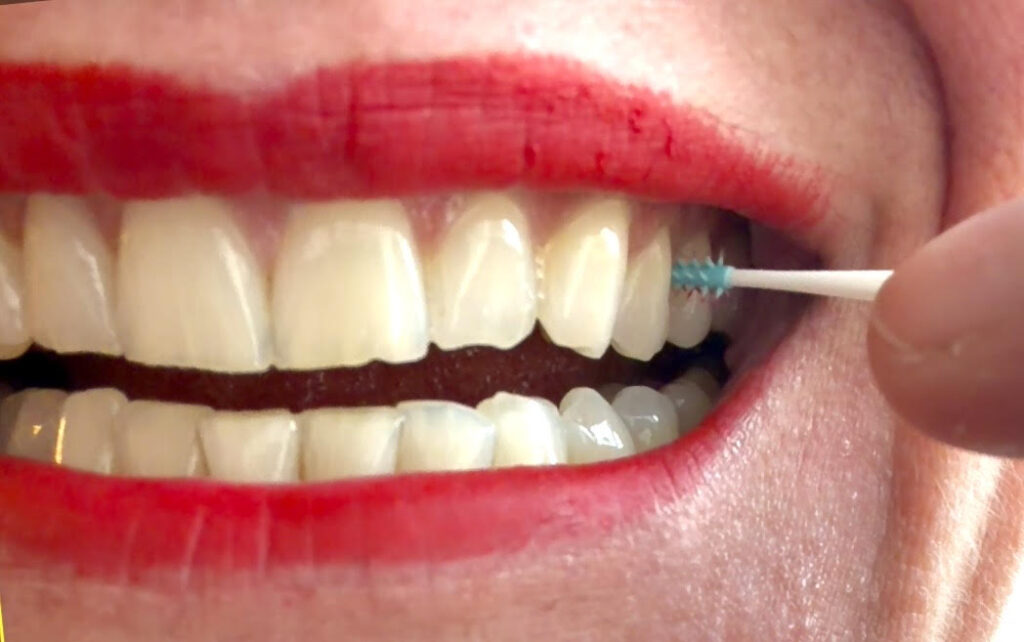
Gentle but thorough brushing, daily use of dental floss or interdental brushes, and an antibacterial mouthwash can quickly improve the symptoms. It is important to use soft bristles—scrubbing too hard can additionally irritate the gums. A balanced diet and sufficient fluids also support healing.
When an Appointment at the Dental Practice is Necessary
If gum bleeding persists for several days despite good care, a professional examination should take place. A quick appointment is also advisable in case of pain, bad breath, or receding gums. At the practice, professional dental cleaning can help to remove stubborn plaque and reduce inflammation.
Conclusion: A Small Symptom with Great Significance
Bleeding gums are usually an early warning sign—and an opportunity to recognize problems in time. Those who remain attentive and react quickly protect their teeth and gums in the long run.